In the dynamic realm of today’s workforce, where goals are as evolving as the skills required to achieve them, performance management should be a vibrant, ongoing conversation—a strategic process aligning individual achievements with organizational targets. And yet, many of us are tethered to archaic systems that are more relics of yesteryears than tools for tomorrow.
Reflections from my tenure across three distinct organizations have led to some eye-opening realizations about the state of performance assessments:
1️⃣ Vague Goals, Vague Results: I saw cookie-cutter assessments, vague in nature, leaving employees adrift in a sea of generality with no lighthouse of specificity to guide their efforts.
2️⃣ A Map Without Directions: A startling omission in many evaluations is the actionable roadmap for employees to reach their destination — success.
3️⃣ Unprepared Captains: Managers often lack the training to navigate these waters effectively. They should be skilled coaches, yet their potential remains untapped, their capabilities untrained.
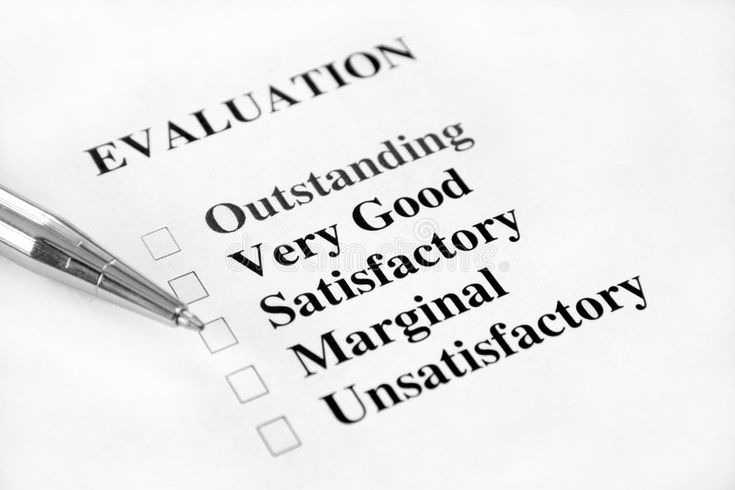
4️⃣ Checklist Mentality Over Impactful Engagement: Evaluations are often relegated to a bureaucratic chore burdening supervisors, treated as items to tick off rather than opportunities to foster growth.
The heart of the issue? A performance culture that inadvertently prizes critical performance indicators (KPIs), return on investment (ROI), and bonuses over the raw human potential waiting to be honed, inspired, and led.
It’s high time we revolutionize how we approach performance management. Transforming it from a staid, box-ticking exercise into a vibrant, nurturing, and ongoing dialogue that champions personal development alongside business outcomes will be more than just a mere exercise. It will be a galvanizing force, propelling both individuals and organizations toward a future where growth is envisioned, energetically pursued, and achieved.
Let’s not wait for annual reviews to reflect. Let’s make performance growth a part of our daily agenda. What steps will you take today to foster a culture that values people and performance?
 I/O Psych and Leadership
Leave a comment