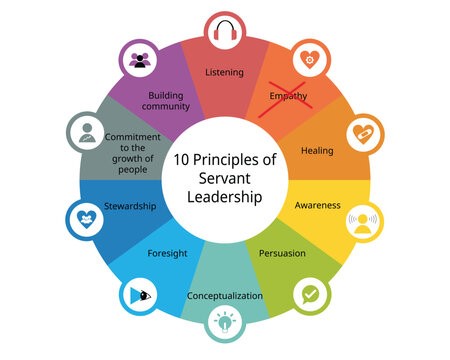
The debate on empathy vs. kindness within the context of servant leadership is quite important. Empathy revolves around understanding and sharing emotions, while kindness centers on benevolent actions and consideration. However, a strong argument emerges against prioritizing empathy within the realm of servant leadership. It is asserted that excessive empathy can lead to manipulation, the misuse of resources, the absence of standards, and favoritism, ultimately resulting in weak leadership.
Those in opposition to empathy as a primary servant leadership attribute often suggest that it can lead to emotional manipulation, transforming leaders into individuals who can be exploited due to their emotional sensitivity. Furthermore, such leaders may struggle to make rational decisions, being swayed by their emotional connection rather than considering the bigger picture objectively. This perspective emphasizes the necessity of maintaining emotional control and rational decision-making rather than excessive empathy, arguing that genuine, effective leadership requires a balanced approach that prioritizes rationality and emotional intelligence over excessive emotional connection.
In contrast, the ideal of servant leadership champions an understanding of others’ challenges and emotions while simultaneously emphasizing the need to make decisions based on rationality and logic. This approach leads to thinking beyond emotions, guiding leaders to make decisions that yield positive outcomes for the entire team, rather than being swayed by momentary emotional connections.
When approaching servant leadership, the emphasis lies in the ability to understand and relate to others’ emotions, yet maintain a firm grasp on rationality, thereby fostering an environment of trust, respect, and objective decision-making. This viewpoint rejects the notion that servant leadership necessitates being highly emotionally connected, instead prioritizing the ability to understand, relate, and make decisions based on a comprehensive view of circumstances.
 I/O Psych and Leadership
Leave a comment