The words evoke a sense of camaraderie, trust, and support. However, this analogy reveals a darker truth: an organization’s dysfunctional nature and signs of toxic leadership. The underlying implications are burdensome obligations, overstepped boundaries, distorted priorities, favoritism hierarchy, and poor compensation.
Foisted Obligations: In “family,” we are often bound to fulfill obligations to loved ones, viewing it as an inherent duty. Similarly, when transposed to the workplace, this notion leads to the imposition of unspoken demands beyond the scope of professional responsibilities and compensation. Boundaries become blurred as employees take on additional tasks and work extra hours, receiving no acknowledgment or appraisal and, most certainly, without deserving compensation.
Disrespecting Boundaries: Within families, personal boundaries are frequently tested and ignored. Unfortunately, this undesirable aspect seeps into work environments disguised as camaraderie. Employers and colleagues may feel entitled to invade personal space, pry into personal matters, or expect immediate availability outside working hours. The sanctity of private life becomes compromised, breeding resentment and eroding overall job satisfaction and, in turn, performance.
Prioritization Predicament: The analogy inherently implies a certain level of devotion. However, when applied to work, this devotion can become an unspoken expectation, creating a toxic environment that belittles individual aspirations and personal obligations. Employees may feel obligated to prioritize work above all else, affecting their mental well-being, relationships, and overall work-life balance.
Failure to live up to this unspoken commitment can result in bitterness, judgment, and potential negative consequences within the workplace.
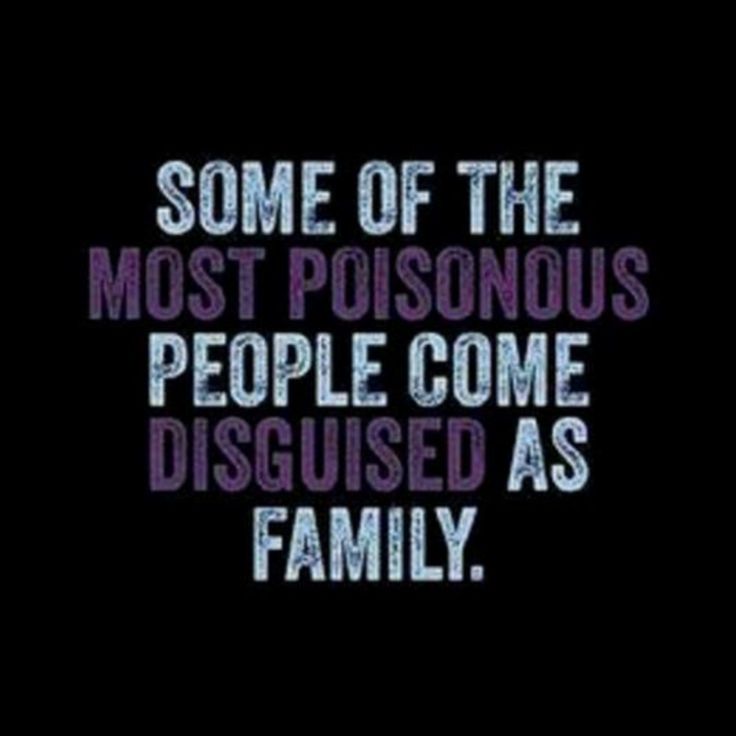
Although “We’re like family” may initially sound comforting, it unveils the darker underpinnings that “leadership” at an organization has accepted. In many families, dysfunction can be prevalent, and likening the dynamics to work relationships inadvertently highlights the potential dysfunctions within the workplace.
The foisting of obligations, disrespecting personal boundaries, and the expectation of unconditional devotion all contribute to a work environment that can be suffocating and detrimental to one’s well-being.
As employees, it is crucial to recognize the limitations and potential pitfalls of the “family” analogy in the workplace.
Employers should strive to foster environments that value competence, accountability, adaptability, and collaboration while coaching, training, and applying servant leadership.
We want to create work cultures that are genuinely supportive, fulfilling, and devoid of unnecessary burdens and provide just and fair compensation to its members.
Only by acknowledging and addressing these dysfunctional aspects can the “family” toxic work environment
succumb.
 I/O Psych and Leadership
Leave a comment