Category: Uncategorized
-
Be a PsyCap HERO!

PsyCap (Psychological Capital) refers to an individual’s positive psychological state and is an essential concept in organizational psychology. It encompasses four key components: Hope, Efficacy, Resilience, and Optimism. These components contribute to an individual’s ability to cope with challenges, maintain motivation, and achieve success in the workplace. Now, let’s explore the acronym H.E.R.O and its…
-
The Painful Process

Steve Jobs, the visionary co-founder ofApple had a unique perspective on people’s long-term potential. Hebelieved in the power of investing in individuals and nurturing their growth to achieve remarkable outcomes. But Jobs understood that creating a truly exceptional team was about hiring the best people and fostering an environment that allowed them to thrive. He…
-
Is Weak Leadership Destroying Organizations.

“Hard times create strong men/(Strong Leaders), strong men/(Strong Leaders) create good times, good times create weak men/(Weak Leaders), and weak men/(Weak Leaders) create hard times.” The quote, from a postapocalyptic novel by G. Michael Hopf, translates to organizations and their culture. This quote encapsulates a cyclical pattern where the strength and resilience of individuals or leaders…
-
Empathy vs. Kindness as a Servant Leadership Attribute
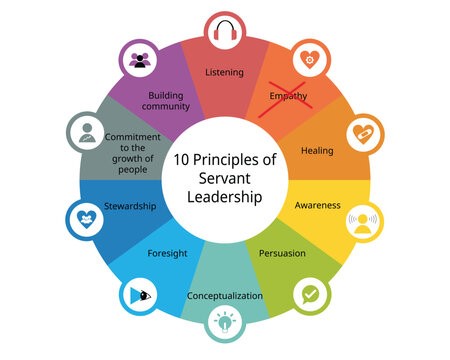
The debate on empathy vs. kindness within the context of servant leadership is quite important. Empathy revolves around understanding and sharing emotions, while kindness centers on benevolent actions and consideration. However, a strong argument emerges against prioritizing empathy within the realm of servant leadership. It is asserted that excessive empathy can lead to manipulation, the…
-
Be a Citizen of your Organization!

Organizational Citizenship Behavior (OCB) involves voluntary actions by employees that are not explicitly recognized by formal reward systems but contribute to the organization’s effective functioning. When OCB is present within a team, it can positively impact teamwork within an organization in several ways: 1. Enhanced Collaboration: Employees exhibiting OCB often go above and beyond their…
-
Attributes of a successful, growing organization.
Attributes of a successful, growing organization. 1. Visionary Leadership: Strong servant leadership that sets a clear and concise vision and direction for the organization. Leaders should inspire and motivate employees, cultivate a positive work culture, and make strategic decisions to drive the organization forward. 2. Collaboration and Teamwork: Organizations thrive when individuals work together towards…
-
“We are like family” A red flag of toxic leadership.
The words evoke a sense of camaraderie, trust, and support. However, this analogy reveals a darker truth: an organization’s dysfunctional nature and signs of toxic leadership. The underlying implications are burdensome obligations, overstepped boundaries, distorted priorities, favoritism hierarchy, and poor compensation. Foisted Obligations: In “family,” we are often bound to fulfill obligations to loved ones,…
-
How do you measure and demonstrate the value and impact of your operational plan and stakeholder engagement?
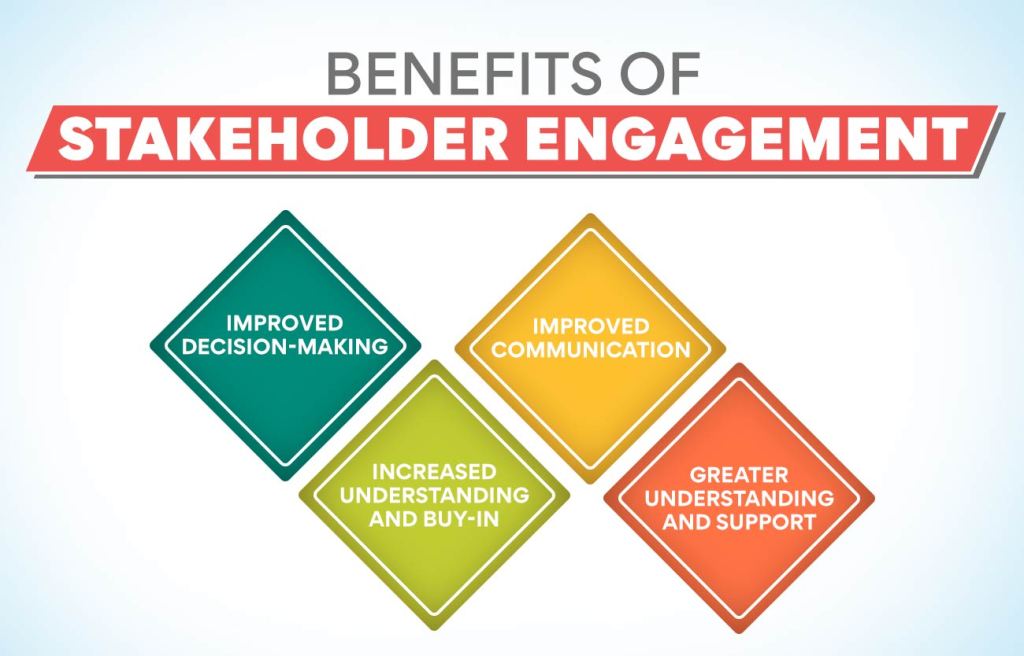
How do you measure and demonstrate the value and impact of your operational plan and stakeholder engagement? Several fundamental approaches can be employed to effectively measure and communicate the value and impact of an operational plan and stakeholder engagement. Let’s highlight six ways to do this. First, you should set specific, measurable metrics aligned with…
-
Elevating Performance, Management Beyond Check the Box
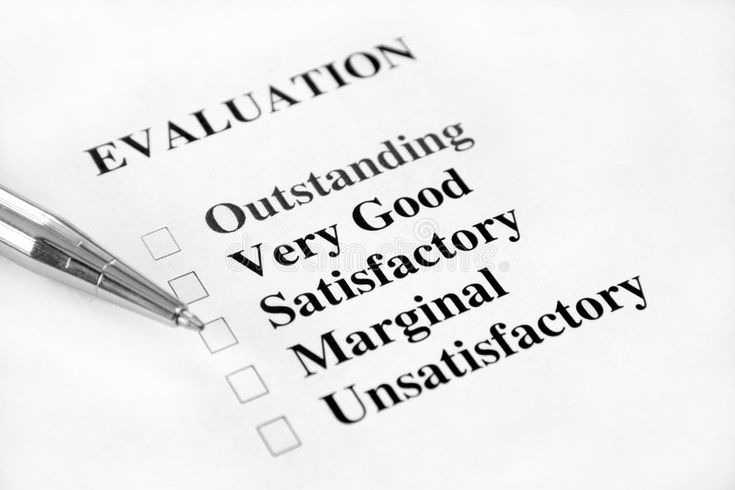
In the dynamic realm of today’s workforce, where goals are as evolving as the skills required to achieve them, performance management should be a vibrant, ongoing conversation—a strategic process aligning individual achievements with organizational targets. And yet, many of us are tethered to archaic systems that are more relics of yesteryears than tools for tomorrow.…
-
Letting the Prisoners run the Prison

The adage ‘letting the prisoners run the prison’ takes on new significance in corporate management. When applied metaphorically, it questions the wisdom of relying heavily on feedback from entry-level employees for management decisions. While such inclusivity may seem empathetic, fostering openness and diversity of thought, the complexity of organizational goals versus individual comfort levels presents…
 I/O Psych and Leadership